A practical guide to hair shedding, thinning, scalp symptoms and the information that helps a dermatologist understand your concern.
Educational information for a more useful consultation. Personal treatment decisions need an individual clinical assessment.
Start with the change you have noticed
Noticing more hair on your pillow, in the shower or on your hairbrush can be unsettling, particularly when your usual hairstyle begins to look different. However, the most useful starting point is not choosing a popular hair treatment. It is understanding what has changed, where the change is occurring and how quickly it has developed. A widening parting, a receding hairline, a distinct patch of hair loss and widespread shedding can indicate different patterns that deserve individual attention.
At The Skin Zeal, we believe that understanding these observations is an important first step before discussing investigations or treatment options. You do not need to arrive with a diagnosis or identify a condition from photographs online. Describe what you have noticed in your own words. If you have older photographs showing your usual hairline, parting or hair density, bring them to your consultation. These comparisons can provide useful context and help establish a clearer starting point for assessment.
Shedding and reduced density are different observations
Hair naturally passes through a growth and shedding cycle, so losing some hair every day is expected. However, a noticeable increase in shedding can sometimes follow events such as an illness, childbirth, significant stress or substantial weight change. The increase may become apparent after a delay, which means the relevant event may have occurred several weeks or months earlier. A careful history can help establish whether a recent change in health or routine may be connected.
Reduced hair density can also develop gradually without an obvious increase in daily shedding. In some individuals, these two experiences may overlap. This is why counting individual hairs in a shower drain cannot establish the underlying cause. Frequent checking can create additional anxiety without providing a reliable clinical picture. Observing the overall pattern, duration and progression of the change is generally more useful when discussing your concern with a dermatologist.
Why your health history matters
A hair fall consultation involves more than examining the scalp. Your health history may include previous illnesses, surgery, pregnancy, medication use, dietary habits and family history of hair loss. Share information about prescribed medicines, non-prescription products and supplements, including anything you may have started specifically for hair growth. If you are unsure about an ingredient, bring the packaging or a clear photograph. Never discontinue a prescribed medicine independently because you suspect it may be contributing to hair shedding.
The timing of events can be just as important as the events themselves. A simple timeline noting when shedding began, whether it followed a health change and what you tried afterwards can make the discussion more useful. Mention fatigue, changes in general wellbeing or other symptoms rather than assuming they are unrelated. The dermatologist can assess which details may be clinically relevant and whether additional investigations or input from another healthcare professional are appropriate.
Looking at the scalp as well as the hair
A detailed scalp examination helps distinguish changes in hair growth from conditions affecting the surrounding skin. During the assessment, attention may be given to redness, scaling, broken hairs, changes in follicle openings and differences between affected and unaffected areas. Magnified examination can provide additional information in selected cases. A hair pull test may also form part of the clinical assessment, although repeatedly pulling at your own hair at home is not a reliable way to diagnose hair loss.
Describe any associated symptoms, including itching, pain, burning, crusting or discharge. These concerns deserve attention even when the visible area of hair loss appears relatively small. Also mention changes involving the eyebrows, eyelashes or other body areas. A written description or online article cannot establish the significance of these findings. The value of an individual consultation lies in examining the scalp directly, understanding the complete pattern and addressing questions that arise during the assessment.
Tests should answer a specific question
Blood investigations or a scalp biopsy are not automatically necessary for every person experiencing hair fall. They may be considered when the history and examination suggest a possible nutritional deficiency, underlying medical condition, infection or an uncertain diagnosis. Before undergoing any investigation, ask what the proposed test is intended to clarify and how its result could influence the treatment plan. This helps ensure that testing is guided by clinical reasoning rather than treated as a routine package.
A normal test result does not mean that your hair concern is insignificant or imagined. Some forms of hair thinning are assessed primarily through their clinical pattern and examination findings. If you have previous blood reports or investigation results, bring them along so their relevance can be reviewed. Avoid purchasing a large collection of tests independently before consultation unless a healthcare professional has recommended them for your particular circumstances.
Haircare habits can add another layer
Your daily haircare routine can influence the condition of your hair and scalp. Hairstyles that create repeated tension may contribute to traction alopecia, while excessive heat, chemical processing and rough handling can increase hair breakage. Share details about your regular styling habits, extensions, colouring, straightening and other treatments. These details can help distinguish breakage along the hair shaft from hair shedding originating at the scalp, as the two concerns may require different approaches.
Gentler hair handling is a reasonable starting point while you arrange an assessment. A hairstyle should not cause persistent discomfort or feel painfully tight. If a shampoo, styling product or chemical treatment makes your scalp sore or irritated, explain what happened rather than continuing to use it because of advertised strengthening or hair growth claims. You do not need to abandon every styling preference; the consultation can help identify practical alternatives that suit your routine and hair needs.
Supplements are not a substitute for assessment
It is easy to assume that increased hair fall must indicate a vitamin or mineral deficiency. Although nutritional deficiencies can contribute to certain hair concerns, they are only one possible explanation. Treatment should address the underlying cause rather than rely on a general supplement recommendation. Taking additional nutrients without establishing whether they are needed may offer no benefit and, in some circumstances, can be harmful. Multiple products may also contain overlapping ingredients that result in unnecessary intake.
During your consultation, share which supplements you currently use and the reasons you started taking them. Ask whether a nutritional assessment is relevant to your history and whether a particular deficiency has been established. If you have been following a restrictive diet or finding it difficult to maintain regular meals, discuss this openly. The aim is to understand your nutritional needs and overall health, not to promote a supplement as a universal solution for hair growth.
Measuring progress without daily pressure
Hair growth and changes in density take time, so progress should be evaluated over an appropriate period. The review schedule depends on the underlying condition and the treatment being considered. It is helpful to agree on what improvement means in your particular case. Reduced shedding, more stable density, improved scalp comfort and visible regrowth are different outcomes. Improvement in one area does not automatically mean that every other concern will resolve.
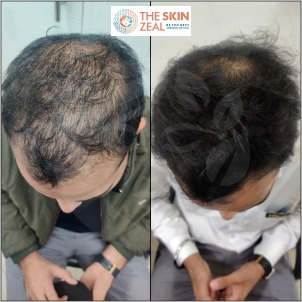
If photographs are used to monitor progress, maintain a consistent parting, lighting, camera position and distance. Wet hair, a different haircut or bright overhead lighting can significantly alter the appearance of density. Ask when a follow-up assessment would be useful and which changes should prompt an earlier review. A structured monitoring plan makes it easier to understand progress without repeatedly checking your scalp throughout the day or becoming unnecessarily concerned by normal variations.
When to seek an earlier appointment
Sudden patchy hair loss, rapid changes in density and hair loss accompanied by a painful, inflamed or irritated scalp should be assessed promptly. Hair loss in children also requires appropriate medical evaluation. Certain conditions may benefit from timely diagnosis, particularly when inflammation or scarring could affect the hair follicles. Waiting while trying several unrelated oils, shampoos or supplements may delay the assessment of a condition that needs a more specific approach.
Hair loss can also influence confidence, emotional wellbeing and everyday social interactions, even when others describe it as a cosmetic concern. If it is affecting your routine or how you feel about yourself, include that in the consultation. At The Skin Zeal in Zirakpur, we encourage an individualised approach to hair and scalp concerns, beginning with an understanding of the pattern, health history and examination findings. Our aim is to help you understand the possible causes and discuss appropriate next steps rather than recommend a treatment before the concern has been assessed.