
Better understanding.
More thoughtful care.
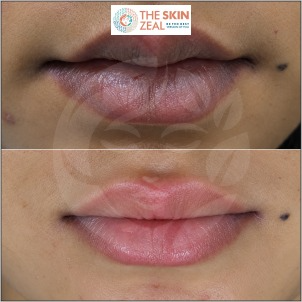
Permanent Makeup and Microblading: Safety Before Style
A careful guide to pigment procedures, realistic design choices, hygiene, healing and the questions to ask before treatment.
Read the article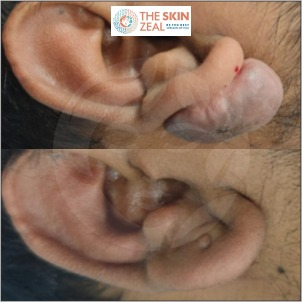
Moles, Skin Tags and Warts: Why Assessment Comes Before Removal
Learn why skin growths need an accurate assessment, what changes to mention and how to discuss removal and wound care.
Read the article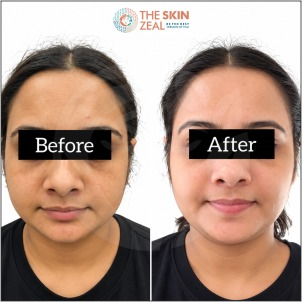
HydraFacial and Medifacials: What to Ask Before Booking
Explore the purpose and limits of cosmetic facials, how to discuss sensitive skin and what realistic planning looks like.
Read the article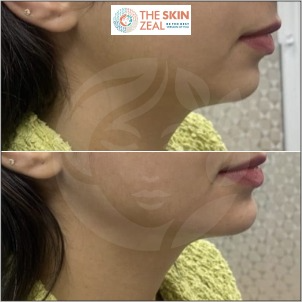
Botox and Dermal Fillers: Different Treatments, Different Decisions
A consultation-first explanation of muscle-relaxing injections, volume treatments and the safety questions that matter.
Read the article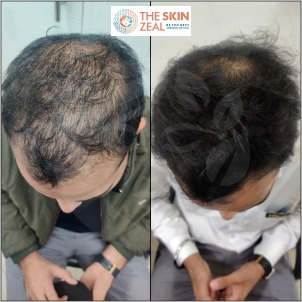
Hair Fall: What a Dermatologist Assesses Before Recommending Treatment
A practical guide to hair shedding, thinning, scalp symptoms and the information that helps a dermatologist understand your concern.
Read the article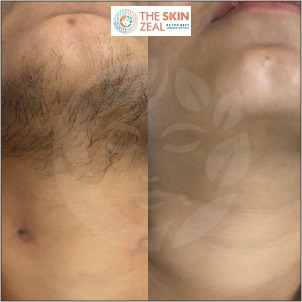
Laser Hair Reduction: What to Ask Before Your First Session
Understand suitability, session planning, recovery and the questions that matter before choosing laser hair reduction.
Read the article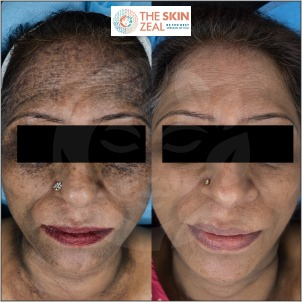
Pigmentation and Melasma: A Practical Guide to Uneven Skin Tone
Learn why pigmentation develops, how melasma differs from acne marks, and why gentle care and realistic expectations matter.
Read the article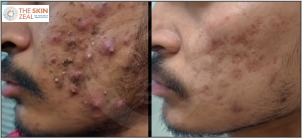
Acne, Acne Marks and Acne Scars: Understanding the Difference
Understand active breakouts, lingering colour changes and structural scars, and learn how to discuss a practical treatment plan.
Read the articleA journal for better informed conversations
The Skin Journal is the educational blog of The Skin Zeal. Its twelve introductory articles explore common questions about skin, hair and aesthetic procedures in enough depth to support a useful conversation with a dermatologist. Each article has a topic-specific illustration, a structured explanation and sources for further reading. The journal is designed for readers who may be encountering unfamiliar terms or trying to decide what to ask at a consultation. It does not identify the cause of an individual concern or replace a personal assessment. Start with the subject closest to your question, then note the details you would like the clinician to explain.
Acne, pigmentation and everyday skin care
Several articles explore concerns that can overlap in everyday language. The acne article distinguishes breakouts, flat marks and structural scars. The pigmentation article discusses why melasma needs a considered conversation rather than a quick promise of removal. Other articles examine sunscreen and sensitive skin routines, explaining practical concepts without prescribing a personal regimen. These guides can help you describe a concern more clearly and recognise where advice needs to be individual. If a product or ingredient is mentioned, treat it as educational context. Discuss your existing routine, earlier reactions and medical history with a clinician before deciding what is appropriate for your situation.
Understanding procedures before selecting them
The journal includes guides to laser hair reduction, chemical peels, Botox and fillers, HydraFacial and medifacials. These articles explain the kinds of questions that belong before a procedure: what is proposed, why it may be considered, what limitations apply and which risks or practical preparations should be discussed. Similar marketing names can describe different products or steps, so the exact service matters. Reading an article can help you compare the questions to ask, but it cannot establish that you are suitable. Use the linked treatment page for clinic context and contact The Skin Zeal to arrange a discussion about your own goals.
Hair, scalp and evidence questions
Hair loss is a broad concern, and the journal explains why assessment comes before selecting a named procedure. One article introduces questions about different patterns of hair change; another discusses PRP and GFC with attention to the evidence and its limitations. Research about a procedure may involve small studies, different treatment protocols or outcomes that do not match every reader's situation. The articles do not turn those studies into a promise of regrowth or claim that one option is universally superior. Bring your timeline, relevant records and previous care to the consultation, then ask how the available evidence relates to the clinician's recommendation.
Lesions, permanent makeup and careful decisions
The journal also covers skin lesions such as moles, tags and warts, and questions about permanent makeup and microblading. These subjects need a clear distinction between recognising a topic and diagnosing a particular finding. A lesion cannot safely be identified from a general description alone, and a cosmetic pigment procedure can involve issues that persist beyond the first appointment. The articles help you understand why assessment, practitioner details, informed consent and follow-up questions matter. They are not instructions for removing a lesion or performing a procedure at home. If you have a personal concern, arrange an appropriate clinical assessment.
How to use sources and further reading
Each article ends with links to relevant medical organisations, official guidance or original research. A source may apply to a particular country, study population or procedure, so its context matters. For example, a United States regulatory statement is not automatically a statement about a product's status in India. Research can also change as better studies become available. Read the source alongside the article rather than treating one headline as a universal rule. If two explanations seem different, ask what populations or questions they address. The journal's purpose is to improve understanding and help you form questions, while personal decisions remain part of your consultation.
Prepare for a useful conversation
Before your consultation, write down the concern you most want to discuss and when you first noticed it. Note whether it is changing, recurring or affecting daily life. Bring the names of medicines, supplements and products you use, together with records from relevant earlier consultations. If you have already had a procedure, describe what was performed, when it happened and how your skin or scalp responded. This information gives the dermatologist a clearer starting point. You do not need to arrive knowing the diagnosis or selecting a treatment; explaining your experience is enough to begin the conversation.
It can help to make a short list of questions before leaving home. Ask what the assessment suggests, which options are reasonable, what each option is intended to achieve and whether observation or a different approach should be considered. Discuss the possible side effects, practical preparation, recovery and aftercare of any proposed procedure. Ask how many visits may be suggested and how progress would be reviewed. If the explanation is unfamiliar, ask for it in simpler language. An informed decision includes understanding limitations as well as potential benefits, with time to think about your preferences.
Plan your visit to Golden Square
The Skin Zeal is located at SCO 3, 4 and 5, Golden Square, near Rishi Apartment, on the Ambala–Chandigarh Highway in Zirakpur, Punjab 140603. The supplied consultation hours are Monday to Saturday, 11:30 AM to 4:00 PM; Sunday is the weekly closure. Prior appointments are required. Contact the clinic before travelling to confirm the date, the doctor's availability and any preparation specific to your visit. Ask the team for the current consultation fee and practical arrival guidance. A website enquiry or WhatsApp message begins a booking conversation and does not automatically reserve an appointment.
For a consultation request, call +91 72939 39326, use WhatsApp on +91 73939 39358 or email theskinzeal@gmail.com. The online form asks for contact details, your area of interest and an optional preferred date. Keep that first message brief and use it to arrange a conversation; medical records and photographs can be discussed through an appropriate channel agreed with the clinic. If your preferred date is unavailable, ask about alternatives before making travel arrangements. Tell the team if you need to coordinate the visit with work, a companion or another appointment so that the practical arrangements can be discussed.
Keep expectations and follow-up clear
The most useful treatment plan is one you understand and can realistically follow. Before proceeding, clarify the consultation and procedure costs, the purpose of each recommended step, any preparation and the instructions for the period afterwards. Ask whom to contact if a question arises and when a review is recommended. Different people can respond differently, and neither a photograph nor a named treatment guarantees a particular outcome. Keep your own written instructions and refer to the treating clinician's advice when managing your individual care. Use the website as a starting point for questions, then make decisions through a personal assessment.