Understand suitability, session planning, recovery and the questions that matter before choosing laser hair reduction.
Educational information for a more useful consultation. Personal treatment decisions need an individual clinical assessment.
Begin with the outcome you want
For some individuals, the goal is to reduce the time spent shaving. For others, it may be to manage unwanted facial or body hair or achieve a more convenient grooming routine. Laser hair reduction can be considered for different treatment areas, but the decision should begin with a clear understanding of your expectations, skin characteristics and hair growth pattern. Choosing a package before understanding your suitability may lead to expectations that are difficult to meet.
It is equally important to recognise that hair removal is a personal preference, not a requirement. Your decision should reflect your comfort and individual goals rather than external beauty standards. During a consultation, we encourage you to discuss which areas concern you, what kind of reduction you are hoping to achieve and whether laser treatment is appropriate. A thoughtful assessment helps establish realistic expectations without promising a particular outcome or a fixed number of sessions.
How light can affect the hair follicle
Laser hair reduction uses concentrated light energy that is absorbed by pigment in the hair. This energy generates heat within the targeted follicular structures, affecting their ability to produce hair. The objective is to target the hair while limiting unwanted effects on the surrounding skin. Achieving this balance requires consideration of the device, wavelength, energy settings, treatment area and individual skin characteristics.
Different laser technologies are designed to interact with hair and skin in different ways. This is why the name of a machine alone does not establish whether a treatment is appropriate for you. Ask which technology is being considered, how the settings are selected and what precautions are used for your skin type. Understanding the basic principle behind the procedure makes it easier to discuss the treatment plan and the reasons an individualised approach matters.
Hair colour and skin tone influence suitability
Hair pigment plays an important role in how effectively laser energy can be absorbed. Darker hair generally responds more favourably to many laser hair reduction systems, while white, grey and certain lighter-coloured hairs may respond poorly. Skin pigment also interacts with light, which means selecting an appropriate technology and treatment setting is particularly important for darker skin tones and recently tanned skin.
Modern laser technologies can make treatment possible for a wider range of skin tones, but suitability should never be assumed. The treatment approach needs to account for your individual skin and hair characteristics, as well as the possibility of temporary or more significant reactions. Mention recent sun exposure, tanning and any history of pigmentation changes after skin procedures.For more information about uneven skin tone, dark patches and pigmentation concerns, read our guide to pigmentation and melasma. At The Skin Zeal, we believe these details should form part of the assessment rather than relying on a universal setting for everyone.
Why several sessions may be discussed
Hair follicles move through different stages of their growth cycle, and not all follicles are equally responsive to laser treatment at the same time. This is one reason a series of sessions is generally discussed instead of expecting a single appointment to provide the desired reduction. The number and spacing of sessions can vary according to the treatment area, hair characteristics, individual response and the technology being used.
A treatment package may provide a convenient way to plan appointments, but it should not be interpreted as a guarantee of a particular result. Your response should be reviewed as treatment progresses, and the plan may need to be adjusted accordingly. Ask when progress will be assessed, what changes are expected between sessions and whether additional appointments may be required. A personalised schedule is more meaningful than choosing a package based only on the number of sessions advertised.
Facial hair may need a wider assessment
Unwanted facial hair can sometimes be associated with hormonal influences or other health-related factors. This does not mean that everyone experiencing facial hair has an underlying medical condition. However, a sudden increase, a noticeable change in the pattern of growth or accompanying symptoms may make a broader assessment useful. Laser treatment can reduce visible hair, but it may not address an underlying factor that continues to influence hair growth.
During your consultation, share when the change began, which areas are affected and whether you have noticed other relevant symptoms. Mention your medical history and current medicines as well. Further assessment may or may not be necessary depending on the findings. We recommend avoiding self-diagnosis or starting hormonal medicines and supplements based on online discussions. Your hair reduction goals and any relevant medical concerns can be considered together.
What to tell the clinician before treatment
A thorough consultation should include your medical history, current medicines, supplements and skincare products. Mention any previous laser or light-based treatments, recent tanning, skin infections, rashes or injuries in the intended treatment area. A history of raised scars, cold sores around the proposed treatment area or unusual reactions to hair removal methods is also relevant. If you are pregnant or breastfeeding, discuss this before planning treatment so that appropriate guidance can be provided.
Do not stop prescribed medication or change your skincare routine independently to meet a treatment date. Certain circumstances may mean that a session should be postponed or that another concern needs attention first. We encourage you to share information openly, including previous treatment experiences that may not have produced the expected result. A written preparation plan and a clear explanation of any precautions make it easier to understand what is required before proceeding.
Preparation is specific to your plan
Preparation instructions should be based on the treatment area, device and clinical assessment. Ask which hair removal methods should be avoided before your appointment and whether shaving is recommended at a particular time. Plucking and waxing remove the hair from the follicle, whereas shaving cuts the hair at the skin surface. Since laser treatment relies on targeting pigment within the hair, these methods can affect treatment planning differently.
Avoid experimenting with bleaching products, strong exfoliants or numbing creams immediately before a session unless specifically advised. If you have recently developed a tan, skin irritation or an unexpected reaction, inform the clinic rather than assuming the appointment can proceed as planned. At The Skin Zeal, we recommend following the instructions provided for your individual treatment instead of relying on generic preparation advice. Clarifying a question in advance is always preferable to guessing.
What the session may feel like
Before treatment, the designated area is prepared and appropriate protective eyewear is used according to the laser procedure. The light pulses may produce brief sensations of warmth, heat or snapping against the skin. The experience can differ depending on the treatment area, hair density, device and individual sensitivity. The duration of the appointment also depends on the size of the area being treated and the procedure planned.
Before beginning, ask which comfort measures are available and whether any product applied to the skin requires specific precautions. Understanding each step can make the experience more comfortable, particularly if this is your first session. Communicate if the sensation feels unexpectedly painful or concerning. Describing laser hair reduction as completely painless for everyone would create an unrealistic expectation. A good treatment experience includes clear communication throughout the procedure.
Recovery and aftercare deserve a plan
Temporary redness and mild swelling around treated follicles can occur after laser hair reduction. The expected response and recovery period may vary depending on the individual and the treatment performed. Before your session, ask how to care for the treated area, which skincare products can be resumed and whether any activities should be avoided temporarily. Sun protection is particularly important when the treated area is exposed during daily activities, outdoor work or travel.
Follow the aftercare instructions provided for your procedure rather than combining recommendations from unrelated treatments. Avoid picking, scratching or using harsh tools on irritated skin. Ask whom to contact if you experience an unexpected reaction between appointments. Increasing discomfort, blistering, significant swelling or a worsening skin reaction should be reported promptly. Written aftercare instructions provide a useful reference and help you understand what to expect once the session is complete.
Know the risks and when to report concerns
Laser hair reduction is a procedure that requires appropriate assessment, technology selection and technique. Potential adverse effects include burns, temporary or persistent changes in skin colour, blistering and scarring. The likelihood of complications can be influenced by skin tone, recent tanning, device settings, treatment technique and individual response. Understanding these risks is an important part of informed consent, even when the procedure is being considered for a relatively small area.
Ask about the experience of the treating professional with your skin tone and the precautions used to minimise unwanted reactions. You should also understand how unexpected effects will be assessed and managed. Report unusual pain, blistering or a worsening reaction promptly rather than waiting until your next scheduled session. If the problem appears serious or you cannot reach the treating clinic, seek appropriate medical care. Treatment photographs and device brochures cannot replace a discussion about your individual risk factors.
Understand reduction, regrowth and maintenance
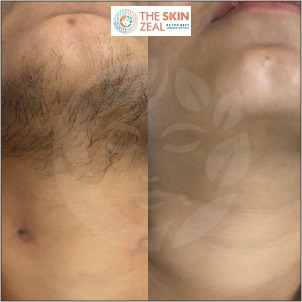
Laser hair reduction aims to provide long-term reduction in hair growth, but it does not guarantee that every treated hair will disappear permanently. Some regrowth may occur, and the amount can vary between individuals and treatment areas. Hormonal influences may be particularly relevant for certain facial hair patterns. Depending on your response, additional or maintenance sessions may be discussed as part of the longer-term plan.
Before committing, ask how progress will be evaluated and which costs are included in the proposed treatment plan. Consider the practical requirements of repeated appointments, preparation and aftercare alongside the reduction you hope to achieve. Some individuals may be satisfied with slower, finer or less noticeable hair growth, even when some hair remains. Others may have different expectations. We encourage a realistic discussion about the range of possible outcomes rather than promises of complete and permanent clearance.
A useful checklist for your Zirakpur visit
Before visiting The Skin Zeal, consider which areas you would like to discuss, your usual hair removal routine and any previous laser treatment experiences. Keep a note of recent sun exposure, relevant medicines, supplements and skincare products. These details can help make the consultation more productive and allow the treatment plan to account for your individual circumstances.
During your visit, ask about suitability for your skin tone and hair colour, the technology being considered, the likely session schedule, possible alternatives and potential risks. Clarify the expected overall cost, follow-up arrangements and whom to contact if you have an aftercare concern. You should feel comfortable taking time to understand the answers before committing to an elective procedure. At The Skin Zeal in Zirakpur, our approach focuses on individual assessment, transparent information and realistic expectations before discussing suitable laser hair reduction options.