Learn why pigmentation develops, how melasma differs from acne marks, and why thoughtful skin care, professional assessment and realistic expectations matter.
Educational information for a more useful consultation. Personal treatment decisions need an individual clinical assessment.
Start by identifying the kind of colour change
Uneven skin tone is a visible concern, not a diagnosis. A dark mark left after acne, patches that develop during pregnancy and an individual spot that gradually changes can have very different underlying causes. Although these concerns may look similar at first, they do not necessarily require the same treatment. Choosing a product or procedure simply because it is advertised for pigmentation can therefore lead to an unsuitable approach.
A useful starting point is understanding when the colour change first appeared, which areas are affected and whether inflammation, irritation or another skin concern occurred beforehand. This guide focuses on common pigmentary concerns, particularly melasma and post-inflammatory hyperpigmentation. It cannot establish your diagnosis from a description or photograph. Its purpose is to help you understand the differences and recognise why a proper assessment should come before treatment decisions.
What pigment does in the skin
Melanin is the natural pigment responsible for much of the colour variation in human skin. It is produced by specialised cells called melanocytes. The amount and distribution of melanin can change in response to sunlight, inflammation, hormonal influences and other factors. When pigment becomes more concentrated in particular areas, darker patches or spots may become visible against the surrounding skin.
Increased pigmentation is not an indication of poor hygiene, and a naturally deeper skin tone is not a condition that requires correction. The important clinical question is why a particular change has developed and whether it is associated with an underlying skin concern. At The Skin Zeal, we believe treatment goals should focus on the concern you wish to address, not on changing your natural complexion or pursuing an unrealistic idea of an ideal skin shade.
How melasma commonly presents
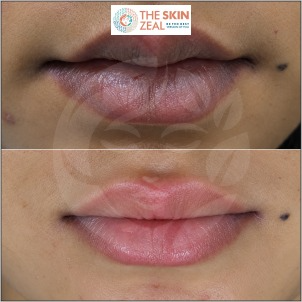
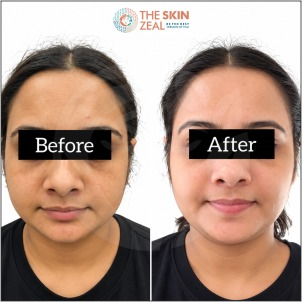
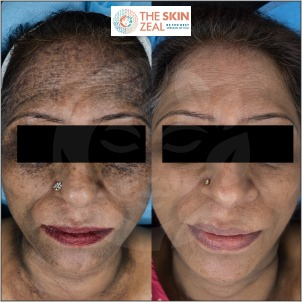
Melasma commonly appears as brown or grey-brown patches on the face, particularly across the cheeks, forehead and upper lip. It may affect both sides of the face in a broadly symmetrical pattern. Although it is more frequently observed in women, men can develop melasma as well. It is also more common in individuals with naturally brown skin or skin that tans readily. These features may suggest melasma, but appearance alone cannot confirm the diagnosis.
Other pigmentary conditions can produce similar-looking patches, which is why an individual assessment matters. A dermatologist considers the location, distribution, history and characteristics of the affected skin together. The extent of pigmentation is only one part of the discussion. Its effect on confidence, daily routines and personal comfort also deserves attention when deciding what kind of improvement would be meaningful to you.
Sunlight, hormones and other relevant history
The exact causes of melasma are not completely understood, but sunlight and hormonal influences are recognised contributing factors. Changes associated with pregnancy, hormonal contraception and certain medicines may also be relevant. This is one reason melasma is sometimes referred to as the mask of pregnancy. However, not every facial patch is hormonal, and not everyone experiencing pigmentation requires extensive laboratory testing.
During your consultation, share relevant information about medicines, contraception, pregnancy, breastfeeding and any noticeable changes in your skin. If you suspect a medicine may be contributing to pigmentation, do not discontinue it independently. The healthcare professional who prescribed it should be involved in deciding whether a change is appropriate and whether an alternative is available. A careful history helps distinguish relevant associations from assumptions and supports a more appropriate treatment discussion.
Understanding marks after acne or irritation
Post-inflammatory hyperpigmentation develops after inflammation or injury affects the skin. A healed acne lesion, itchy rash, burn, insect bite or repeated irritation may leave a darker area even after the original problem has settled. These marks can be particularly persistent in darker skin tones. Unlike melasma, post-inflammatory pigmentation often follows the exact area where the earlier inflammation or injury occurred.
It is important to consider whether the original trigger is still active. For example, repeatedly using harsh exfoliating products on the same area may continue to irritate the skin and prolong the pigmentation cycle. A consultation should therefore consider two questions: what caused the mark, and is that underlying process still continuing? Addressing active acne, inflammation or irritation may be just as important as discussing ways to improve the remaining colour change.
Why professional assessment changes the plan
A dermatologist can often identify melasma and other common pigmentary concerns through a combination of clinical examination and medical history. Depending on the presentation, a dermatoscope or specialised examination light may provide additional information about the distribution and depth of pigment. Other investigations may occasionally be considered if a different condition is suspected. These tools are not necessary for every individual, and using a particular device does not guarantee a specific treatment outcome.
What matters most is understanding the likely diagnosis and the reasons behind the proposed approach. Ask which findings support the assessment and whether other conditions need to be considered. If an individual pigmented spot is changing, bleeding or behaving differently from the surrounding marks, mention it separately. Do not automatically assume that every dark area belongs to the same harmless pigmentation concern simply because it has a similar colour.
Photoprotection includes more than SPF
Sun protection is an important part of managing melasma and several other pigmentation concerns. A broad-spectrum sunscreen helps protect against ultraviolet exposure, while shade, hats and suitable clothing offer additional practical protection. For certain pigmentary conditions, visible light may also contribute to the concern. In these situations, a tinted sunscreen containing iron oxides may provide additional protection when it is appropriate for the individual’s skin care plan.
The most effective routine is one that can be followed consistently. Consider your everyday activities, including commuting, walking outdoors, travelling and spending time near windows or in open spaces. Choose a comfortable sunscreen that suits your skin and use it according to its instructions, with reapplication when appropriate. An elaborate routine that is difficult to maintain is often less practical than a simpler approach that fits naturally into your day.
Choose gentle care over repeated irritation
Skin that repeatedly stings, burns or becomes red after applying products may be showing signs of irritation rather than responding positively to an active treatment. Excessive exfoliation and combining several strong skincare ingredients without understanding their compatibility can aggravate the skin and potentially worsen pigmentation. A product marketed for brightening or lightening is not automatically suitable for every skin type or pigmentary concern.
Before changing your routine, make a note of the products you currently use and how your skin responds to them. Bringing the packaging or ingredient lists to your consultation can help clarify which products are relevant and which may be contributing to irritation. Avoid using another person’s prescription simply because it appeared to improve their marks. The diagnosis, product strength, treatment duration and medical circumstances may be entirely different from your own.
What treatment categories can and cannot tell you
Depending on the diagnosis and individual skin characteristics, a dermatologist may discuss topical treatments, selected procedures or a combination of approaches. Chemical peels and laser-based treatments may be considered for certain pigmentation concerns, but they are not automatically the first or most appropriate option for every individual. Procedures that produce irritation can sometimes trigger further pigmentation, particularly when the treatment is unsuitable for the skin tone or condition.
Before agreeing to a procedure, ask why it is being recommended, what improvement may realistically be expected and which risks are relevant to your skin. Also understand what home care will be required alongside the treatment. The name of a product, peel or device does not replace an explanation of its purpose. A treatment plan should be based on your diagnosis and individual circumstances rather than a generic product list or fixed schedule.
Set expectations for improvement and recurrence
Melasma can be a persistent condition, and pigmentation may return even after visible improvement. This is why long-term care and maintenance should form part of the discussion rather than being considered only after treatment is complete. Ask what the plan may involve once the skin improves, which factors could contribute to recurrence and when a follow-up assessment would be useful. Post-inflammatory marks also fade at different rates depending on their depth, cause and individual skin response.
A fixed calendar promise cannot account for every individual’s response. If photographs are used to monitor progress, compare images taken in similar lighting, from a consistent distance and without filters. Avoid judging changes through different cameras or lighting conditions each week. A realistic goal is to understand the underlying concern and improve its appearance where possible. Permanent clearance or a dramatic transformation within a few days should never be treated as a standard expectation.
Plan around pregnancy, events and daily commitments
Pregnancy, breastfeeding and plans for pregnancy can influence which pigmentation treatments are appropriate. Certain active ingredients and procedures may need to be avoided or postponed during these periods. Share this information before starting a new product or treatment, even if it is described as a routine skincare option. A generic online routine should never replace advice based on your individual circumstances.
Your schedule also matters. If you have a wedding, professional event or holiday approaching, discuss the date before considering a chemical peel or laser procedure. Potential irritation, recovery time and the possibility of temporary visible changes should be part of the decision. Your occupation and lifestyle are relevant too. Outdoor work, frequent travel or difficulty reapplying sunscreen can influence how practical a long-term plan will be. These are useful considerations for creating a routine that you can realistically maintain.
Prepare for a pigmentation consultation
Before visiting The Skin Zeal in Zirakpur, prepare a simple timeline of when the pigmentation first appeared and whether it has changed. Mention previous acne, rashes, irritation, treatments and skincare products. If the colour fluctuates, photographs from different periods may help explain the pattern. You can also note whether the concern affects the cheeks, forehead, upper lip or other areas. These details help make the consultation more focused and informative.
During the discussion, ask whether the concern appears to be melasma, post-inflammatory hyperpigmentation or another condition, and which clinical findings support that assessment. Understand the realistic benefits, limitations, possible side effects and ongoing care associated with any recommended approach. At The Skin Zeal, our focus is on individual assessment and clear communication so that treatment decisions reflect your skin, health history and personal expectations. The aim is not to promise a particular shade or result, but to help you make an informed decision about your skin.